
Category: Bhakti yoga
-
Eternality of Mathura and Vrindavan
Question: Why do Mathurā and Vṛndāvana change with the seasons if they are eternal? If “eternal” means no change, then why does Kṛṣṇa grow after being born? Does this mean that He is not eternal? Answer: He is eternal, His abode is eternal, and change in them is also eternal. Śrī Jīva Gosvāmī explains that Kṛṣṇa,…
-
Bhakti, Sharanagati, and Varnashrama
Question: I have a question regarding bhakti-yoga and śaraṇāgati. In the Śrī-sampradāya, the bhakti-yoga and śaraṇāgati paths are separated. It is also said in Śrī-sampradāya that only brāhmaṇas, kṣatriyas, and vaiśyas, not śūdras, can perform bhakti-yoga. Śrī-sampradāya similarly says that women are ineligible to perform bhakti-yoga. Śaraṇāgati is the only path through which everyone can attain mokṣa, according to Śrī-sampradāya. But in the Gauḍīya-sampradāya, it is said that bhakti-mārga or bhakti-yoga is open to all. I have also never seen…
-
What is Śāstra?
Question: What do we consider to be śāstra in our Gauḍīya sampradāya? An ācārya’s book is also śāstra, correct? Answer: For us, śāstra means bhakti–śāstra and anything that supports itand teaches it. The original source and core literature is the Bhāgavata. Then we have everything that is aligned with the message of the Bhāgavata, such asits commentaries, as well as Bhakti-rasāmṛta-sindhu, Caitanya-caritāmṛta, Jīva Gosvāmī’s writings, and those of the other Gosvāmīs. One has to…
-
Dharma-shastras and Manu-smrti
Question: Do traditional Gauḍīya Vaiṣṇavas and our Gauḍīya ācāryas accept dharma-śāstra such as Manu-smṛti? How can verses like Manu-smṛti 8.270–8.272 be justified? They deny a śūdra’s right to Vedic knowledge from a guru, as in these statements: “One should not teach him sacred duties, nor sacred vows” (Manu 4.806; Vasiṣṭha-smṛti 18.12). “One should not impart knowledge to a śūdra” (Manu 4.80; Vasiṣṭha-smṛti 18.12). And there are verses that say brāhmaṇas should not accept food…
-
Liberation or Rotating in Samsara?
Question: I am attracted to the philosophy of acintya-bheda-abheda and I regard Kṛṣṇa as my iṣṭa-deva. However, Śrī Baladeva Vidyābhūṣaṇa’s interpretation of Bhagavad Gītā 16:19-20 bothers me because I cannot accept the idea that Kṛṣṇa keeps certain jīvās in constant suffering, devoid of any opportunity to attain Him. Śrī Viśvanātha Cakravartī Ṭhākura takes a different view. Is it necessary to accept that certain jīvās will…
-
Individuality in Mukti?
Question: I doubt whether or not individuality remains in Brahma-sāyujya. I came across an article from The Autobiography of A Yogi by Paramahansa Yogananda, which indicates that individuality remains even in oneness with Brahman. Sri Yukteshwsar Giri (the guru of Yogananda) tells Yogananda: “When a soul finally gets out of the three jars of bodily delusions,” Master continued, “it becomes…
-

How Shraddha Can Be Lost
Question: You mentioned in one of your articles that when one commits an offense he/she may lose śraddhā. In Nāmarasa’s podcast you also mentioned that once we have real faith we cannot lose it. I believe by real faith you mean śāstrīya–śraddhā, not laukikī. I assume this because if one has śāstrīya–śraddhā one will avoid offenses very carefully as you mentioned…
-
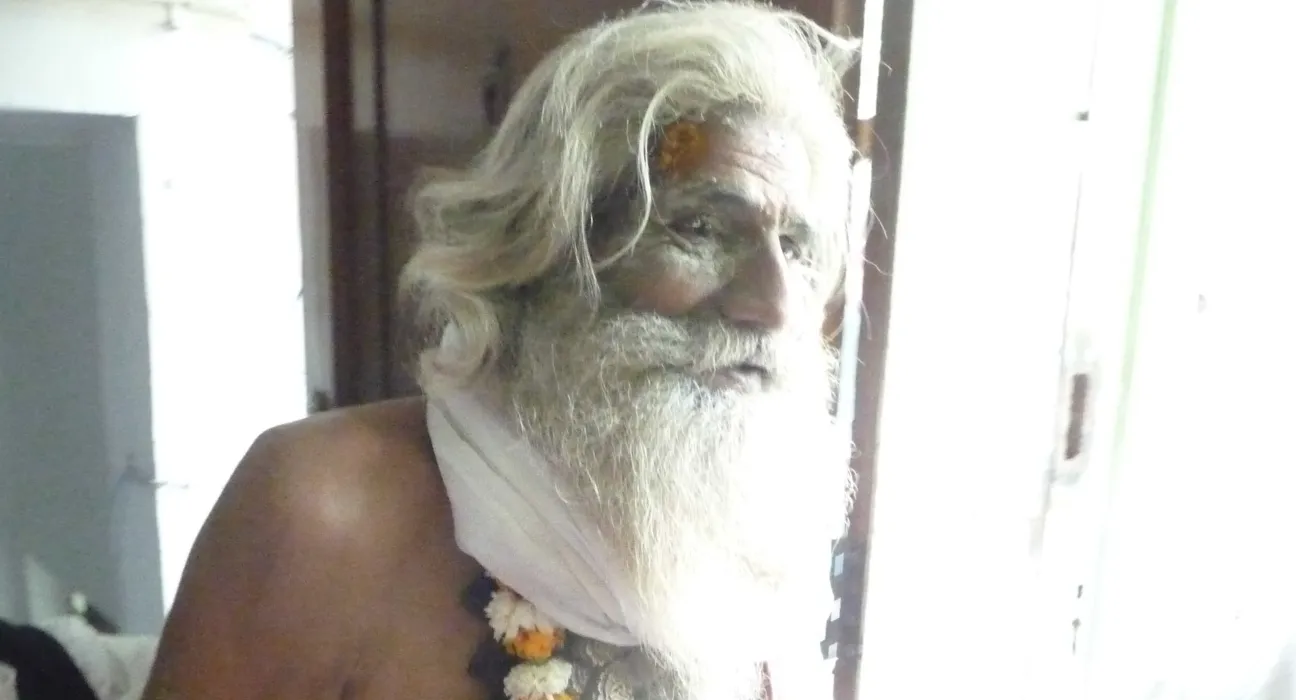
Rumors about Sadhus, Beginningless Karma
Question: I have come to know from ISKCON that Vaiṣṇavas observe the four regulative principles: But while searching on the Internet, I found that Gauḍīya Vaiṣṇava saints like Vamsidāsa Bābājī Mahārāja, Kishori-kishorananda Gosvāmī (Tinkari Bābā), and Gaura-kiśora dāsa Bābājī Mahārāja used to smoke tobacco, hashish, Ganja, and also drink alcohol. Ramadas kathia Bābā of the Nimbārka sampradāya used to…
-
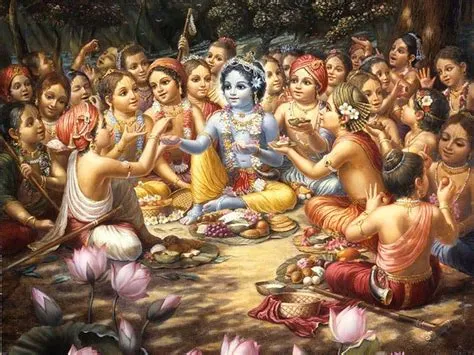
Krishna’s Breakfast, Meaning of Dharma
Question: At what time does Kṛṣṇa have breakfast in prakaṭa-līlā and what does His menu consist of? Answer: Frankly speaking, such a question assumes that He has a watch and does His daily activities by the watch. The aṣṭakālīna ḷīlā description is for meditation. It does not mean that Kṛṣṇa follows His daily routine exactly as described. Kṛṣṇa eats after waking…
-

There is no Fall-down from Real Mukti
Question: Could you kindly help me understand the following words of Srila Prabhupada regarding the fall-down from sāyujya-mukti? “In the opinion of many scholars, this sāyujya-mukti, although counted among the five kinds of mukti, is not actually mukti because, from sāyujya-mukti, one may again fall down to this material world. This information we have from Śrīmad Bhāgavatam (10.2.32), wherein it is said, patanty adhaḥ, which…