
Category: Bhakti yoga
-

The Cause of Suffering
Question: Is it really true that others are not the cause of our suffering and that it is caused by our own mind? Should I even think about doing something about it, since the situation is unavoidable due to past karma? I am dealing with a toxic, selfish, and narcissistic boss. Accepting his unfair and unwarranted criticism will…
-
Sages and Technology
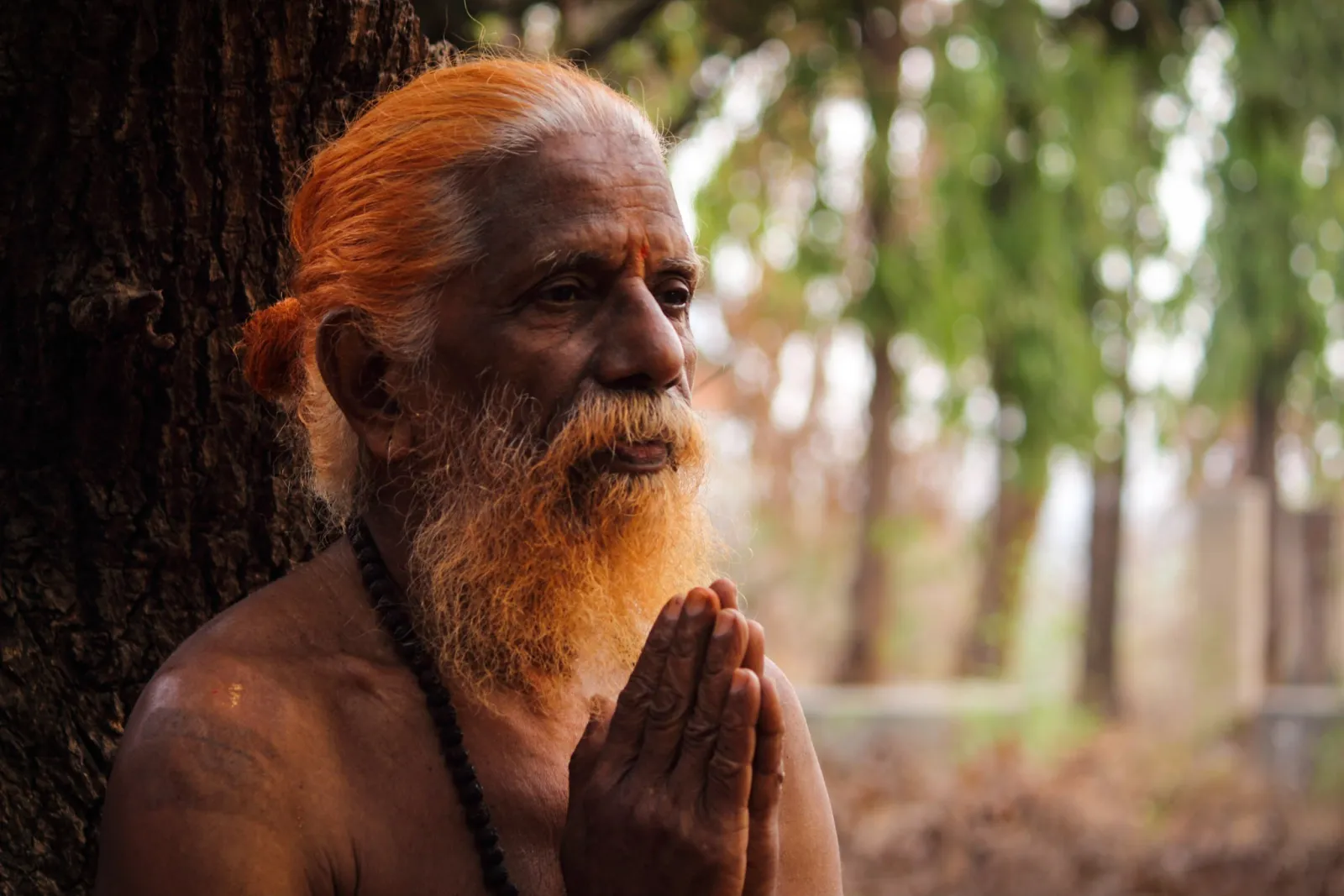
Question: The Indian sages were very evolved people, highly intelligent, so why did they not invent modern technology, such as a car, a computer, a cellphone, or a vaccine to counter various diseases? Answer: There is a popular saying in Sanskrit, ātmavan manyate jagat – “Everyone sees the world with one’s own perspective”. It is natural. There is no other way…
-
Deity Worship in Practice: A Living Example from a Devotee’s Life
In the previous article, we discussed the importance of deity worship (arcana) in Gaudiya Vaishnavism as a means to cultivate personal devotion, discipline the senses, and deepen one’s relationship with Śrī Kṛṣṇa. While these principles are rooted in śāstra and theology, their true beauty becomes most evident when we see how deity worship is lived and…
-
The Importance of Deity Worship
In Gaudiya Vaishnavism, the ultimate goal of spiritual practice is the attainment of pure love (prema) for Śrī Kṛṣṇa. While the tradition places special emphasis on nāma-saṅkīrtana—the chanting of the holy names—deity worship (arcana) occupies an important and supportive role in the cultivation of bhakti, as explained in the writings of the Gosvāmīs and contemporary Gaudiya teachers.…
-
Annihilation of the Universe
Question: It is mentioned in Śrīmad Bhāgavatam 12.4.4 and 1.6.29–30 that at the end of a day of Brahmā, there is naimittika-pralaya at which time the universe and Brahmā enter into Mahā-Viṣṇu. From Śrī Caitanya-caritāmṛta, Madhya 20.321–324, Adi 5.68–70, and Brahmā-saṁhitā 5.48, we understand that Brahmā lives for a hundred years, or the duration of an exhalation of Mahā-Viṣṇu. And when Mahā-Viṣṇu inhales, the universe enters into Mahā-Viṣṇu. There appears to be a contradiction. Śrīmad Bhāgavatam says the universe enters into Maha-Viṣṇu at the end of Brahmā’s day, and Caitanya-caritāmṛta says it enters Maha-Viṣṇu at…
-
Observing Ekadashi Fast
Question: I understand that Ekādaśi vrata needs to be followed by every Vaiṣṇava. Answer: Yes. Question: Please can you give some advice for someone who finds it hard to do Ekādaśi, but has a strong desire to do it? Answer: I do not know what is your hardship. I can accept that it is hard to do complete fast. But you can also eat things…
-
Aropa-siddha: Superimposition of Bhakti
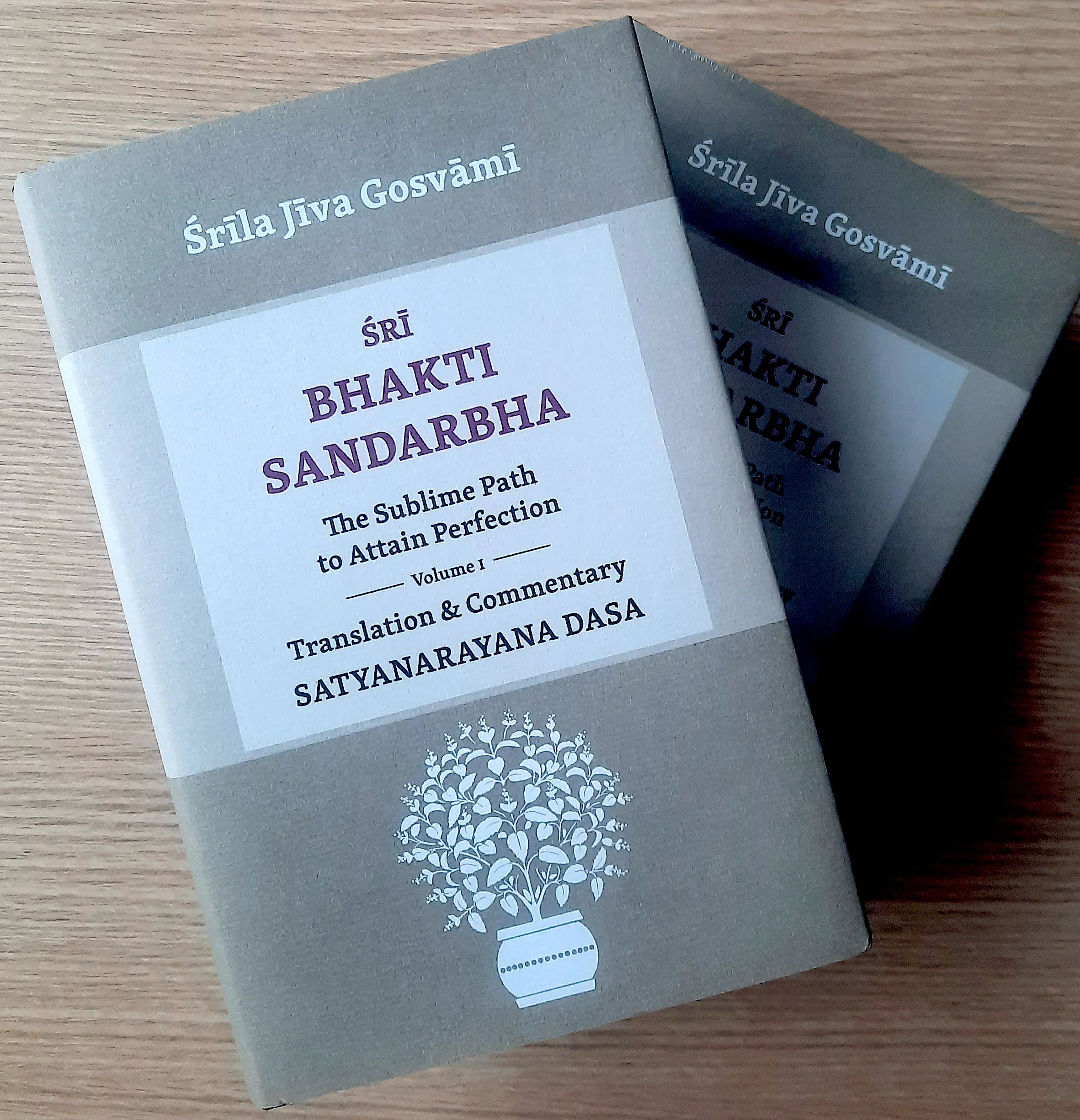
In Bhakti Sandarbha (Anuccheda 217), Śrī Jīva Gosvāmī divides bhakti into three categories, namely āropa-siddhā,saṅga-siddhā and svarūpa-siddhā. It is easy to understand the last category but there is some confusion about the others, especially the first one. As human beings we have ability to act using our mind, body, and speech. These actions can be Vedic or laukika. The Vedic actions are those that are…
-
Śāstrīya Śraddhā and Material Śraddhā
Bhagavad Gīta contains eighteen chapters. Each chapter is named after a particular yoga. Therefore, there are eighteen different types of yoga described in Bhagavad Gītā. The word yoga, however, has many different meanings and to be understood, one must consider the context in which it is being used. Śri Kṛśṇa Himself refers to several different forms of yoga directly, such as karma-yoga, sāṅkhya-yoga, jñāna-yoga, yoga [in general] and bhakti-yoga.…
-
Janmashtami Celebration by JIVA USA
JIVA USA celebrated Janmashtami within the community on Aug 16th 12:00 PM – 7:00 PM at 11420 Matzke Rd Cypress, TX 77429, USA. Please find below some of the pictures from the celebration. Houston, TX Home celebration within community at Los Angeles, CA
-
Tilaka
Question: The tilaka that Vaiṣṇavas wear represents Kṛṣṇa or Viṣṇu’s lotus feet. Why does the Lord Himself wear it? Answer: This is Bhagavan’s nara-līlā. He plays as a human being, like Śrī Caitanya, who acted as a devotee. He puts it on so that you can follow His example. Question: But what about His forms of Narāyaṇa, Narasiṁha, etc.? They too…