
-
Śāstrīya Śraddhā and Material Śraddhā
Bhagavad Gīta contains eighteen chapters. Each chapter is named after a particular yoga. Therefore, there are eighteen different types of yoga described in Bhagavad Gītā. The word yoga, however, has many different meanings and to be understood, one must consider the context in which it is being used.
-
Janmashtami Celebration by JIVA USA
JIVA USA celebrated Janmashtami within the community on Aug 16th 12:00 PM – 7:00 PM at 11420 Matzke Rd Cypress, TX 77429, USA. Please find below some of the pictures from the celebration. Houston, TX Home celebration within community at Los Angeles,
-
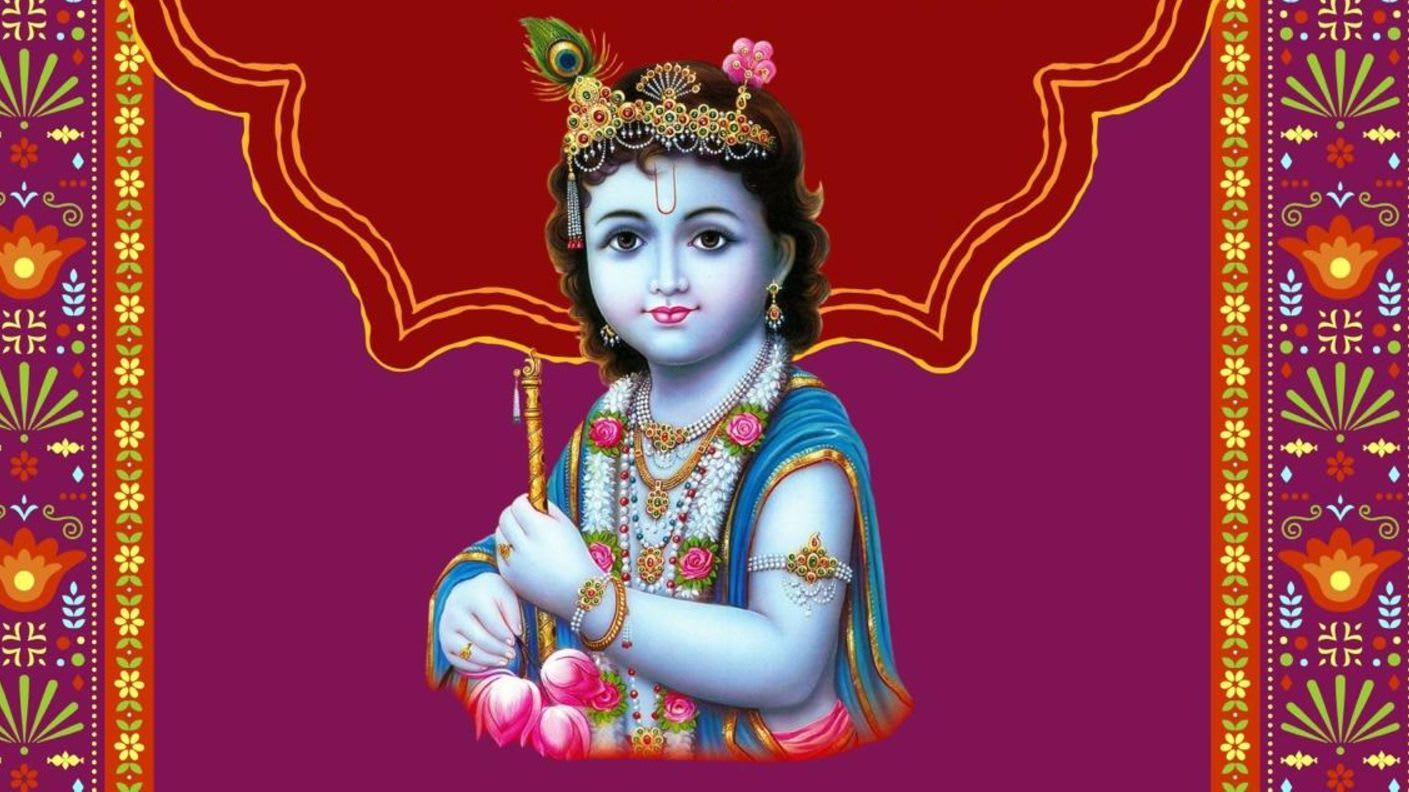
Celebrate Sri Krishna Janmashtami 2025
Sri Krishna Janmashtami 2025 Time : Aug 16 12:00 PM – 7:00 PM Place : 11420 Matzke Rd Cypress, TX 77429, USA Welcome to the Sri Krishna Janmashtami 2025 Celebration! We are delighted to have you join us in this joyous celebration
-
Tilaka
Question: The tilaka that Vaiṣṇavas wear represents Kṛṣṇa or Viṣṇu’s lotus feet. Why does the Lord Himself wear it? Answer: This is Bhagavan’s nara-līlā. He plays as a human being, like Śrī Caitanya, who acted as a devotee. He puts it on so that you can follow
-
Eternality of Mathura and Vrindavan
Question: Why do Mathurā and Vṛndāvana change with the seasons if they are eternal? If “eternal” means no change, then why does Kṛṣṇa grow after being born? Does this mean that He is not eternal? Answer: He is eternal, His abode is eternal,
-
The Highest Form of Love
Question: We understand that in relation to Bhagavan Kṛṣṇa, everybody is female. He is the only male. How does this play out in the context of genders and the concept of masculine and feminine? Answer: This is a different concept and should not be
-
Kṛṣṇa – The Supreme Controller
We have heard often that Śrī Kṛṣṇa is the Supreme Controller—iśvaraḥ paramaḥ kṛṣṇa (Brahma-saṁhitā 5.1). He also proclaims this in Gītā (7.7)—mattaḥ parataraṁ nānyat kiñcid asti dhanañjaya, “There is nothing superior to Me, O Dhanañjaya”. As a controller, He manifests Himself in the form
-
Bhakti, Sharanagati, and Varnashrama
Question: I have a question regarding bhakti-yoga and śaraṇāgati. In the Śrī-sampradāya, the bhakti-yoga and śaraṇāgati paths are separated. It is also said in Śrī-sampradāya that only brāhmaṇas, kṣatriyas, and vaiśyas, not śūdras, can perform bhakti-yoga. Śrī-sampradāya similarly says that women are ineligible to perform bhakti-yoga. Śaraṇāgati is the only path through which everyone can attain mokṣa, according to Śrī-sampradāya. But in the
-
What is Śāstra?
Question: What do we consider to be śāstra in our Gauḍīya sampradāya? An ācārya’s book is also śāstra, correct? Answer: For us, śāstra means bhakti–śāstra and anything that supports itand teaches it. The original source and core literature is the Bhāgavata. Then we have everything that is aligned with the message of the Bhāgavata, such asits commentaries, as well
-
Dharma-shastras and Manu-smrti
Question: Do traditional Gauḍīya Vaiṣṇavas and our Gauḍīya ācāryas accept dharma-śāstra such as Manu-smṛti? How can verses like Manu-smṛti 8.270–8.272 be justified? They deny a śūdra’s right to Vedic knowledge from a guru, as in these statements: “One should not teach him sacred duties, nor sacred vows” (Manu 4.806; Vasiṣṭha-smṛti 18.12). “One should not impart