
-
Mechanisms of Saṁskāras
We have both external and internal senses. Whatever is experienced through the senses creates an impression, or a saṁskāra, in the heart (citta). Cognition is of two types, namely fresh (anubhavātmaka) and recollective (smaraṇātmaka). Fresh experience comes from direct perception (pratyakṣa), inference (anumāna),
-
Deity Worship in Practice: A Living Example from a Devotee’s Life
In the previous article, we discussed the importance of deity worship (arcana) in Gaudiya Vaishnavism as a means to cultivate personal devotion, discipline the senses, and deepen one’s relationship with Śrī Kṛṣṇa. While these principles are rooted in śāstra and theology, their
-
The Importance of Deity Worship
In Gaudiya Vaishnavism, the ultimate goal of spiritual practice is the attainment of pure love (prema) for Śrī Kṛṣṇa. While the tradition places special emphasis on nāma-saṅkīrtana—the chanting of the holy names—deity worship (arcana) occupies an important and supportive role in the cultivation of
-
First Understand your own School
Question: The Bhāgavata Purāṇa itself claims to have 18,000 verses (SB 12.13.9). However, if we count, we find only 14,094 verses. How is this to be understood? Answer: Bhāgavata contains both ślokas and prose. There are lengthy prose texts in the Fifth Canto. They cannot be counted as
-
Annihilation of the Universe
Question: It is mentioned in Śrīmad Bhāgavatam 12.4.4 and 1.6.29–30 that at the end of a day of Brahmā, there is naimittika-pralaya at which time the universe and Brahmā enter into Mahā-Viṣṇu. From Śrī Caitanya-caritāmṛta, Madhya 20.321–324, Adi 5.68–70, and Brahmā-saṁhitā 5.48, we understand that Brahmā lives for a hundred years, or the duration of an exhalation of Mahā-Viṣṇu. And when Mahā-Viṣṇu inhales, the universe enters into Mahā-Viṣṇu. There appears to
-
బ్రహ్మ సాక్షాత్కారం మరియు భక్తి యొక్క వర్గీకరణలు
ప్రశ్న: భాగవత సందర్భం (అనుచ్ఛేదం 6)లో శ్రీల జీవ గోస్వామి, ఒకరు తన ఆత్మను బ్రహ్మంతో ఏకం చేసుకోవాలని (అనన్య-బోధ్యాత్మతయా, SB 10.14.6) అంటారు. నిరాకార పరబ్రహ్మాన్ని గ్రహించడానికి ముందు తన స్వచ్ఛమైన ఆత్మను తెలుసుకోవడం తప్పనిసరియా? ఒకవేళ అది తప్పనిసరి అయితే, నిరాకార బ్రహ్మాన్ని గ్రహించిన కొందరు యోగులు తమ ఆత్మ (జీవాత్మ) ప్రతి విషయంలోనూ బ్రహ్మమే
-
Observing Ekadashi Fast
Question: I understand that Ekādaśi vrata needs to be followed by every Vaiṣṇava. Answer: Yes. Question: Please can you give some advice for someone who finds it hard to do Ekādaśi, but has a strong desire to do it? Answer: I do not know what is your hardship. I can accept that
-
ఆత్మహత్య
ప్రశ్న: నాకు ఆత్మహత్య చేసుకోవాలనే ఆలోచనలు వస్తున్నాయి. ఒకరు ఆత్మహత్య చేసుకుంటే ఏమి జరుగుతుందో మీరు వివరించగలరా? సమాధానం: ఒక వ్యాపారవేత్త ఉన్నాడని ఊహించుకోండి. అతనికి మంచి ఇల్లు మరియు కుటుంబం ఉంది, కానీ అతని వ్యాపారం లాభం పొందడం లేదు, అందువలన అతను చాలా నిరాశ చెందుతాడు. నిరాశతో, అతను అకస్మాత్తుగా తన ఇంటికి నిప్పు పెట్టాలని
-
ఆత్మలో కర్తృత్వ భావన
ప్రశ్న: క్రైస్తవ మతం, హేసికాసం మరియు బౌద్ధమతం వంటి అనేక ఆధ్యాత్మిక సంప్రదాయాలలో, వారు “ఆత్మ యొక్క చీకటి రాత్రి” గురించి మాట్లాడుతారు, ఇది ఆధ్యాత్మిక మార్గంలో నిరాశకు గురయ్యే దశ. నేను శ్రీల అనంత దాస్ బాబాజీ వ్యాఖ్యానంతో మాధుర్య కాదంబిని చదివాను, ఈ సారూప్యత అనర్థ-నివృత్తిని సూచిస్తుందా అని ఆలోచిస్తున్నాను. మనం ఏదో ఒక రకమైన
-
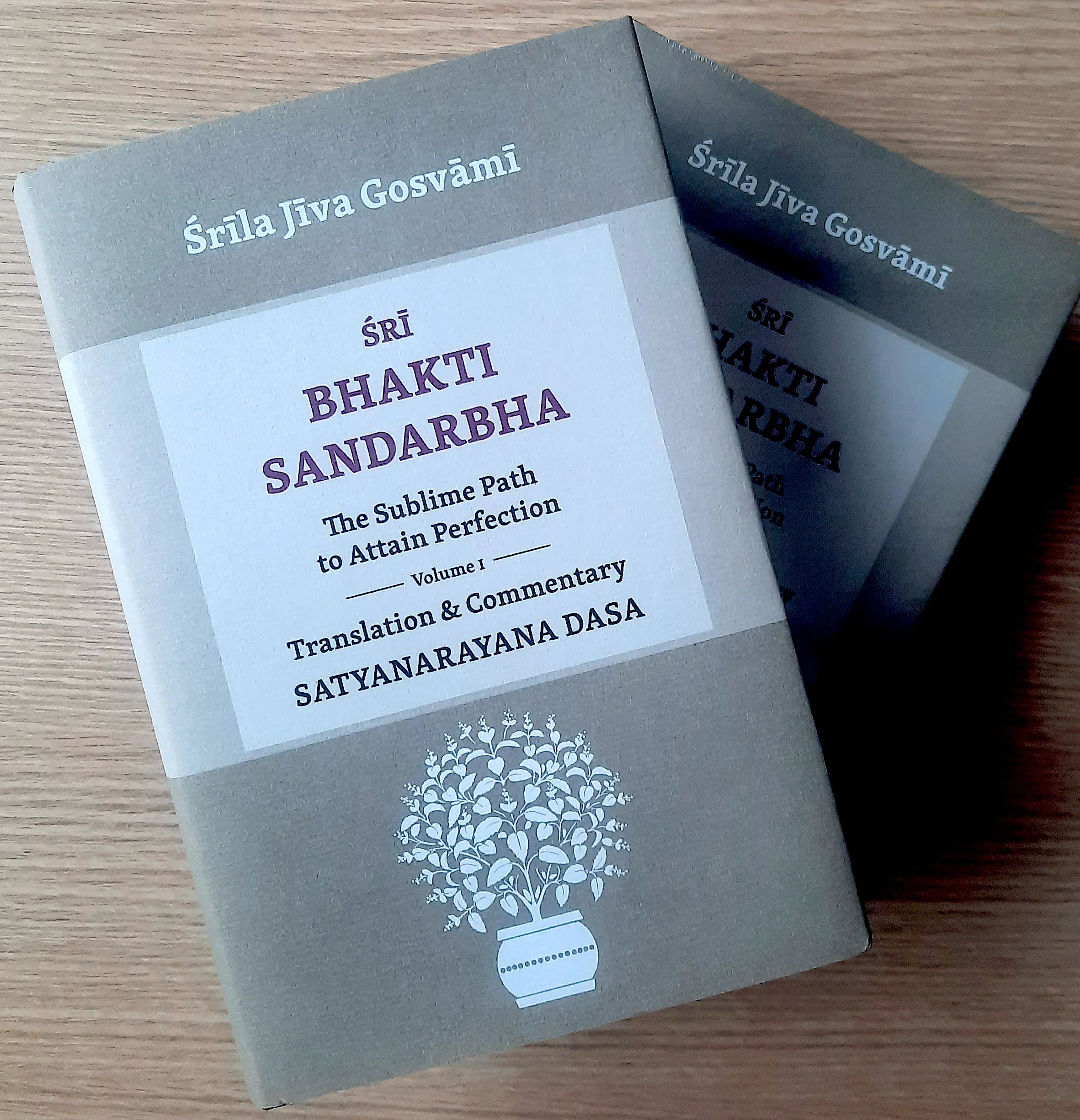
Aropa-siddha: Superimposition of Bhakti
In Bhakti Sandarbha (Anuccheda 217), Śrī Jīva Gosvāmī divides bhakti into three categories, namely āropa-siddhā,saṅga-siddhā and svarūpa-siddhā. It is easy to understand the last category but there is some confusion about the others, especially the first one. As human beings we have ability to act using our mind, body, and speech.